facebook Marketing strategy Category Archives - Nvent Marketing

Archive for the ‘Marketing strategy’ Category

Customer Relationship Management: More Important Than You May Think

October 14th, 2025

Customer Relationship Management: More Important Than You May Think

The Best Marketing Doesn’t Feel Like Marketing

Marketing is not always about trying to sell something, building and maintaining a strong customer relationship is even more critical in the long run. When the customers have an excellent first experience with you, they are more likely to remember your brand and genuinely care for your business. In today’s crowded digital landscape, people are constantly bombarded with ads, offers, and aggressive sales tactics. But the brands that stand out aren’t necessarily the ones shouting the loudest. They’re the ones that build trust over time. The truth is, the best marketing often doesn’t feel like marketing at all. It feels like connection.

Why Customer Relationships Matter More Than Ever

Marketing isn’t just about pushing products. It’s about creating and maintaining meaningful relationships. When you provide a memorable experience—especially during a customer’s first interaction with your brand—you’re not just gaining a sale. You’re building goodwill, trust, and long-term brand equity.

That first impression matters. But it’s what happens after the sale that can truly differentiate a brand.

A Story Worth Remembering

A friend of mine recently had day surgery at a local clinic. It was a routine procedure, nothing major. But what happened next wasn’t routine at all.

The day after the surgery, he received a handwritten card in the mail. A simple “thank you” and “get well soon,” signed personally by nearly every staff member he interacted with. No corporate logos, no QR codes, no marketing slogans. Just kindness.

Another friend had just purchased a home. Months later—long after the closing documents were signed—he received a small houseplant delivered to his door. Attached was a handwritten note from his realtor: “Hope you’re enjoying your new home.”

There was no upsell. No pitch. No request for referrals.

Just a moment of thoughtfulness.

These aren’t marketing stunts. They’re human gestures. And ironically, that’s what makes them the most powerful kind of marketing.

The Power of Authentic Moments

Thoughtful gestures—especially when they’re unexpected—resonate more deeply than any perfectly timed ad campaign ever could. They send a clear message: We value you as a person, not just a customer.

This is how great brands build loyalty.

They exceed expectations.
They give before they ask.
They are consistent and genuine over time.

Before investing in advertising, before launching that next email drip campaign, take a hard look at your customer experience. Have you truly built something worth promoting?

If your brand has mastered the fundamentals—delivering value, communicating clearly, following through—then you’re ready to invest in advertising, paid media, and demand generation.

Until then, work on delighting your customers. That’s where growth begins.

You Can’t Fake Authenticity

Plenty of businesses say they care about customers, but their actions don’t match their words. They may use customer relationship management (CRM) systems to follow up on birthdays or automate thank-you emails—but if the intent is solely transactional, it will show.

Authenticity can’t be outsourced. It starts with your mindset.

Yes, CRM tools are useful. But real customer loyalty comes from how you make people feel. And customers can tell when the message is genuine—or when it’s just a strategy to reel them back in for another purchase.

If you’re only engaging customers to squeeze out another sale, you’re missing the point.

Customers are not a line on a spreadsheet. They’re the reason your business exists in the first place.

A grateful business doesn’t just say “thank you” once. It proves that appreciation in the way it listens, responds, and serves over time.

Once a brand has mastered cultivated a delightful brand experience for its customers, only then is it ready to spend money on advertising and demand generation.


Final Thoughts

Marketing is changing. People crave connection more than persuasion. The brands that thrive are the ones who understand that every interaction—every email, every thank-you, every service call—is part of their brand story.

If you’re not nurturing those relationships, even the best ad campaign won’t save you.

Start by making people feel seen. Show appreciation without expectation. Build something people want to come back to—not because of a loyalty program or discount, but because they genuinely trust and like doing business with you.

That’s what the best marketing feels like.

It feels like not marketing at all.
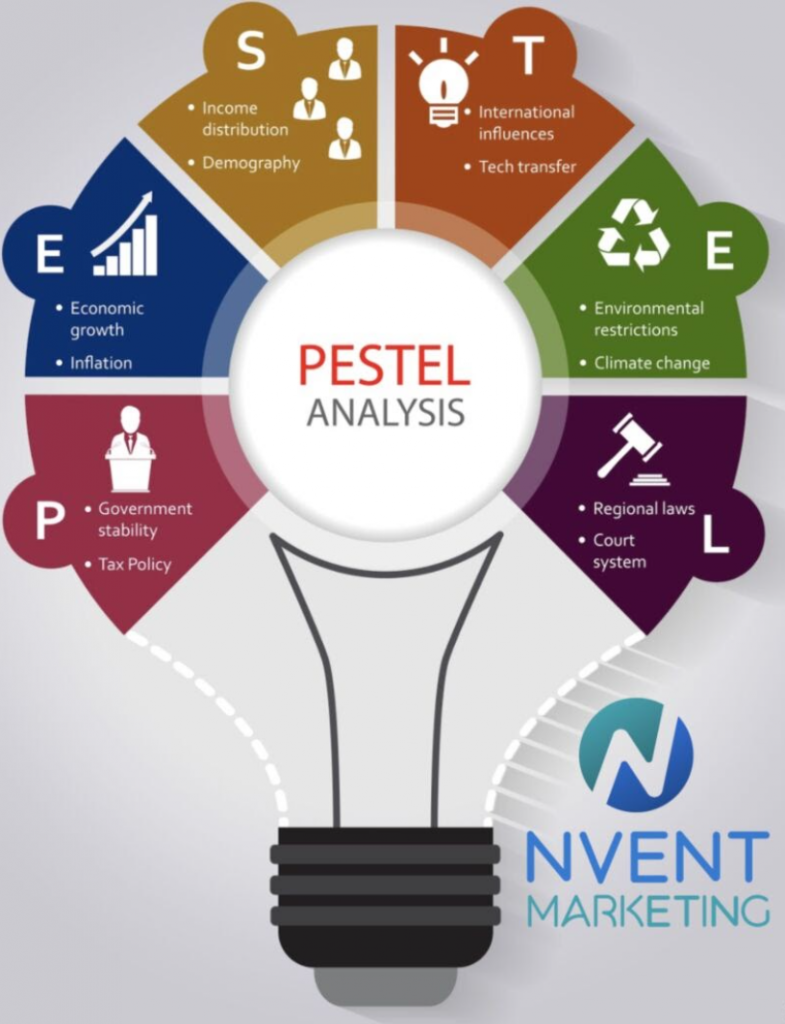
What is a PESTEL analysis?

June 11th, 2026

In 2026, strategic marketing planning requires businesses to look beyond internal strengths and weaknesses and evaluate the external forces shaping their industries. When developing marketing plans for our larger clients, we often incorporate a PESTEL analysis alongside a SWOT analysis to gain a more comprehensive understanding of the business environment. A PESTEL analysis examines key external factors—including Political, Economic, Social, Technological, Environmental, and Legal influences—that can impact marketing performance, customer behavior, and long-term business growth. Learn more about our marketing strategy and how we help businesses create data-driven plans for sustainable success.

Pestel analysis visual

What is a PESTEL Analysis?

A PESTEL analysis (sometimes referred to as PESTLE analysis) is a strategic planning framework used to evaluate the external factors that can influence a business’s performance and long-term growth. The acronym stands for Political, Economic, Social, Technological, Environmental, and Legal factors.

Businesses use PESTEL analysis to identify opportunities, anticipate risks, and make informed decisions when developing marketing, operational, and growth strategies. In 2026, it remains one of the most valuable tools for organizations seeking to navigate rapidly changing market conditions and maintain a competitive advantage.

When developing strategic marketing plans for our clients, we often combine PESTEL analysis with SWOT analysis to gain a more comprehensive understanding of both internal and external business factors. Learn more about our marketing strategy and how we help businesses create data-driven growth plans.


Why PESTEL Matters in 2026

Today’s business environment is evolving faster than ever. Emerging technologies, changing consumer expectations, economic uncertainty, sustainability initiatives, and new regulations can all impact business performance. A PESTEL analysis helps organizations stay proactive by identifying external trends before they become challenges or opportunities.

One of the biggest advantages of PESTEL analysis is its ability to support strategic decision-making. By understanding the forces shaping the marketplace, businesses can better adapt their products, services, marketing efforts, and operational strategies.

PESTEL analysis becomes even more powerful when combined with other strategic frameworks such as SWOT Analysis and Porter’s Five Forces. Together, these tools provide a complete view of both the internal and external factors influencing business success.


Breaking Down the Six PESTEL Components

1. Political Factors

Political factors examine how government actions and policies can affect a business. These may include taxation policies, trade agreements, political stability, labor laws, tariffs, and government regulations.

For example, changes in international trade policies or import regulations can directly impact supply chains, operating costs, and market expansion opportunities. Businesses operating across multiple regions must continually monitor political developments to minimize risk and identify growth opportunities.

2. Economic Factors

Economic factors focus on the financial conditions that influence consumer spending and business operations. These include inflation rates, interest rates, exchange rates, unemployment levels, economic growth, and overall market confidence.

Economic shifts can significantly affect purchasing behavior. During periods of economic uncertainty, consumers may reduce discretionary spending, while favorable economic conditions often lead to increased demand and business investment. Understanding economic trends allows organizations to adjust pricing strategies, budgets, and growth plans accordingly.

3. Social Factors

Social factors examine demographic trends, cultural values, lifestyle changes, consumer attitudes, and purchasing behaviors that influence market demand. Understanding these shifts helps businesses align their products, services, and messaging with evolving customer expectations.

In 2026, consumers increasingly prioritize sustainability, diversity, transparency, convenience, and social responsibility when making purchasing decisions. Generational trends, particularly among Millennials and Generation Z, continue to shape how brands communicate and engage with their audiences. Companies that understand and adapt to these changing social dynamics are often better positioned for long-term growth.

4. Technological Factors

Technological factors focus on innovations and advancements that can impact business operations, customer experiences, and competitive positioning. Rapid developments in artificial intelligence (AI), automation, cybersecurity, cloud computing, data analytics, and digital infrastructure continue to transform industries across the globe.

Businesses that embrace emerging technologies can improve efficiency, enhance customer experiences, and create new revenue opportunities. Conversely, organizations that fail to adapt to technological change may struggle to remain competitive in increasingly digital markets.

Regularly evaluating technological trends allows businesses to identify opportunities for innovation while minimizing potential disruptions.

5. Environmental Factors

Environmental factors examine the ecological issues that may affect business operations and strategic decision-making. These include climate change, carbon emissions, sustainability initiatives, waste management, resource availability, and environmental regulations.

Environmental responsibility has become a critical consideration for organizations of all sizes. Consumers, investors, and regulators increasingly expect businesses to demonstrate sustainable practices and reduce their environmental impact.

Companies that proactively address environmental concerns often strengthen their brand reputation, improve operational efficiency, and reduce long-term risk.

6. Legal Factors

Legal factors include the laws and regulations that govern business activities within specific markets. These may involve employment regulations, intellectual property protection, data privacy requirements, consumer protection laws, health and safety standards, advertising regulations, and industry-specific compliance requirements.

As regulatory environments continue to evolve, businesses must remain informed and compliant to avoid legal challenges, financial penalties, and reputational damage. Data privacy regulations, cybersecurity requirements, and consumer protection laws remain particularly important considerations in today’s digital economy.


How to Conduct a Smart PESTEL Analysis

A successful PESTEL analysis requires a structured approach that combines research, collaboration, and strategic thinking. Follow these steps to maximize the value of your analysis:

  1. Assemble a cross-functional team. Include stakeholders from marketing, finance, operations, legal, sales, and leadership to gain diverse perspectives on potential opportunities and risks.

  2. Gather reliable information. Use trusted sources such as government reports, industry publications, economic forecasts, market research studies, and internal business data to support your analysis.

  3. Analyze each PESTEL category. Evaluate how political, economic, social, technological, environmental, and legal factors may impact your organization, industry, and customers.

  4. Identify opportunities and threats. Determine which external factors create growth opportunities and which may present challenges or risks.

  5. Prioritize findings. Focus on the factors most likely to influence your business based on their potential impact and likelihood of occurrence.

  6. Integrate with other strategic frameworks. Combine PESTEL insights with SWOT Analysis, Porter’s Five Forces, competitive analysis, and market research to create a comprehensive strategic plan.

  7. Review and update regularly. External business conditions change rapidly. Revisit your PESTEL analysis at least annually or whenever significant market, economic, regulatory, or technological changes occur.


Using PESTEL Analysis to Drive Better Business Decisions

A PESTEL analysis is more than a planning exercise—it serves as a valuable decision-making tool that helps organizations anticipate change, reduce uncertainty, and identify new opportunities for growth.

Whether you’re launching a new product, entering a new market, developing a marketing strategy, or evaluating long-term business objectives, understanding external influences can help you make more informed and strategic decisions.

By regularly monitoring political, economic, social, technological, environmental, and legal factors, businesses can remain agile, proactive, and competitive in an increasingly complex marketplace.

Conclusion

In today’s rapidly evolving business environment, organizations can no longer rely solely on internal analysis when developing strategic plans. A comprehensive PESTEL analysis provides critical insights into the external forces that influence business performance, customer behavior, and market opportunities.

When combined with strategic frameworks such as SWOT Analysis, PESTEL helps organizations gain a complete understanding of their operating environment and develop more effective growth strategies.

Businesses that consistently evaluate external trends, adapt to change, and proactively address emerging challenges are better positioned for long-term success. By incorporating PESTEL analysis into your strategic planning process, you can identify opportunities sooner, mitigate risks more effectively, and build a stronger foundation for sustainable growth in 2026 and beyond.


Real-World Relevance in 2026

One of the greatest strengths of a PESTEL analysis is its ability to reveal how multiple external factors often overlap and influence one another. Consider the rapid adoption of artificial intelligence (AI) across industries. While AI is primarily a technological advancement, it also introduces legal, social, and economic considerations that businesses must address.

Organizations implementing AI-powered tools can improve efficiency, automate repetitive tasks, and enhance customer experiences. However, they must also navigate evolving data privacy regulations, cybersecurity requirements, ethical concerns, and workforce implications. A comprehensive PESTEL analysis helps businesses evaluate these interconnected factors before making significant technology investments.

Environmental sustainability provides another practical example. Climate initiatives are no longer limited to environmental considerations alone. New regulations, carbon reduction goals, and sustainability reporting requirements create legal and economic implications for businesses. At the same time, consumers increasingly favor brands that demonstrate environmental responsibility, making sustainability a powerful social and marketing factor as well.

Companies that proactively monitor these trends can identify opportunities, reduce risk, and gain a competitive advantage. By viewing business decisions through a PESTEL lens, organizations can better prepare for future market changes while building more resilient strategies.


Getting Started with a PESTEL Analysis

A PESTEL analysis is not a one-time exercise. It should serve as an ongoing strategic planning tool that helps businesses adapt to changing market conditions and emerging opportunities. By regularly evaluating Political, Economic, Social, Technological, Environmental, and Legal factors, organizations can make more informed decisions and respond proactively to external challenges.

Whether you’re launching a new product, entering a new market, developing a marketing strategy, or planning long-term business growth, a well-executed PESTEL analysis can provide valuable insights that support better decision-making.

At Nvent Marketing, we help businesses integrate PESTEL analysis into comprehensive growth strategies, market research initiatives, and long-term planning efforts. Our team works closely with clients to identify opportunities, evaluate risks, and create data-driven marketing strategies that support sustainable business growth in 2026 and beyond.

If you’re ready to strengthen your strategic planning process and gain a deeper understanding of the factors shaping your industry, our team is here to help.


Conclusion

In today’s rapidly evolving business environment, understanding external market forces is more important than ever. A PESTEL analysis provides a structured framework for evaluating the political, economic, social, technological, environmental, and legal factors that can influence business performance.

When combined with strategic planning tools such as SWOT Analysis, competitive research, and market analysis, PESTEL helps organizations make smarter decisions, identify growth opportunities, and minimize potential risks.

Businesses that consistently monitor external trends and adapt their strategies accordingly are better positioned for long-term success. By incorporating PESTEL analysis into your planning process, you can create stronger strategies, improve resilience, and build a sustainable competitive advantage.

For more information about the benefits of conducting a PESTEL analysis, read this article here.


Marketing for Dentists: Top Strategies to Increase New Patients in 2026

June 11th, 2026

The dental industry continues to become more competitive, making effective marketing essential for practices that want to attract new patients and build long-term growth. In 2026, successful dental marketing goes beyond traditional advertising and embraces a combination of digital strategies, patient engagement, reputation management, and local search visibility. A comprehensive marketing plan helps dental practices differentiate themselves, strengthen patient relationships, and increase appointment bookings.

Whether you’re an established practice or launching a new clinic, implementing a strategic marketing approach can improve brand awareness, enhance patient experiences, and position your practice as a trusted provider within your community.

Why Is Marketing Essential for Dentists?

An effective dental marketing strategy can help practices attract more patients, improve online visibility, and strengthen their reputation. Here are some of the key benefits of investing in dental marketing:

Elevated Brand Recognition

A well-executed marketing strategy helps your dental practice become a recognized and trusted name within your local community. By consistently communicating your expertise, patient-centered approach, and unique services, you can strengthen brand awareness and stand out from competing practices.

Stronger Patient Engagement

Modern marketing strategies create meaningful opportunities to connect with patients before, during, and after treatment. Providing educational content, oral health tips, treatment updates, and personalized communication helps build trust and encourages long-term patient relationships.

Through social media platforms, email campaigns, patient portals, and online resources, dental practices can keep patients informed and engaged while demonstrating ongoing value beyond routine appointments.

Growth in Patient Acquisition

Targeted marketing initiatives help attract new patients while encouraging referrals from existing ones. Local SEO, online reviews, referral programs, paid advertising, and community involvement can significantly expand your reach and drive a steady flow of new patient appointments.

As your patient base grows, your practice benefits from increased revenue, stronger brand recognition, and greater long-term stability.

The Comprehensive Guide to Effective Dental Marketing

Building a successful dental marketing strategy requires a multi-channel approach that combines both traditional and digital marketing tactics. The following key elements can help improve your marketing performance and drive sustainable growth.

For additional dental marketing ideas and industry insights, consider exploring other educational resources and marketing guides relevant to dental practices.

Unique Selling Proposition (USP)

Your unique selling proposition serves as the foundation of your marketing efforts. Identify what sets your dental practice apart from competitors. This could include advanced technology, specialized treatments, flexible financing options, exceptional patient experiences, or a highly experienced clinical team.

Clearly communicating your differentiators helps potential patients understand why they should choose your practice over other available options.

Target Audience

Understanding your ideal patients is critical to successful marketing. Consider factors such as demographics, geographic location, income levels, family status, and treatment preferences when developing your campaigns.

Tailoring your messaging to the specific needs and concerns of your audience helps improve engagement and increases conversion opportunities.

Online Presence

Your website often serves as the first impression for potential patients. A modern, professional, and mobile-friendly website should clearly communicate your services, showcase patient testimonials, and make scheduling appointments simple.

In addition to strong design, search engine optimization (SEO) plays a vital role in helping patients find your practice online. For additional guidance on strengthening your online visibility, consider working with a professional Dental Marketing Agency in Phoenix.

Social Media Marketing

Social media platforms provide an excellent opportunity to showcase your practice’s personality, educate patients, and build trust within your community. Consistently sharing valuable content, patient success stories, oral health tips, office updates, and community involvement can help strengthen your brand and encourage engagement.

Platforms such as Facebook, Instagram, LinkedIn, and YouTube can play important roles in your overall marketing strategy.

Email Marketing

Email marketing remains one of the most cost-effective ways to nurture patient relationships. Regular communication can help keep your practice top-of-mind while encouraging preventive care and repeat visits.

Examples of effective email campaigns include:

  • Appointment reminders
  • Seasonal promotions
  • Educational newsletters
  • Treatment announcements
  • Patient appreciation messages
  • Reactivation campaigns

Local SEO

Local SEO is essential for attracting patients who are actively searching for dental services nearby. Optimizing your online presence helps improve visibility within local search results and Google Maps.

Key local SEO strategies include:

  • Optimizing your Google Business Profile.
  • Using location-based keywords.
  • Maintaining accurate business information.
  • Generating positive patient reviews.
  • Creating localized website content.

Offline Marketing

Although digital marketing continues to dominate, traditional marketing methods can still be highly effective for local dental practices. Community involvement and offline visibility often help reinforce digital marketing efforts.

Consider strategies such as:

  • Community sponsorships
  • Direct mail campaigns
  • Local event participation
  • Referral partnerships
  • Educational seminars
  • Community health initiatives

Patient Reviews and Reputation Management

Online reviews remain one of the most influential factors in a patient’s decision-making process. Positive reviews build trust, improve local SEO performance, and help establish credibility.

Encourage satisfied patients to leave reviews on platforms such as Google, Yelp, and Healthgrades. Be proactive in responding to both positive and negative feedback to demonstrate your commitment to patient satisfaction.

Evaluate and Adapt

Successful dental marketing requires ongoing analysis and optimization. Regularly reviewing performance data allows you to identify opportunities for improvement and maximize return on investment.

Track metrics such as:

  • Website traffic
  • Appointment requests
  • Conversion rates
  • Patient acquisition costs
  • Review volume and ratings
  • Social media engagement

Collaborate with Marketing Experts

Working with a specialized dental marketing agency can help ensure your marketing strategy is professionally executed and aligned with industry best practices. Marketing professionals can provide expertise in SEO, content marketing, paid advertising, website optimization, and patient acquisition strategies.

If you are interested in learning more, check out these 10 Things You Need to Know Before Hiring a Marketing Agency for Your Dental Practice that can help guide your decision-making process.

Maximize Your Dental Practice’s Potential

As you refine your marketing strategy, remain consistent with your brand messaging and patient experience. Patient appreciation programs, loyalty initiatives, referral campaigns, and community partnerships can all contribute to stronger patient retention and increased referrals.

Staying informed about industry trends, emerging technologies, and changing patient expectations allows your practice to remain competitive in an evolving healthcare landscape.

For more Digital Marketing Strategies, explore additional resources designed to help healthcare businesses grow online.

A well-executed marketing strategy that combines traditional and digital channels, prioritizes patient experience, and leverages professional expertise can help your dental practice achieve sustainable growth.

Unlock Your Dental Practice’s Marketing Potential

A comprehensive dental marketing plan that incorporates local SEO, content marketing, patient engagement, reputation management, and community outreach can help build patient loyalty while attracting new patients consistently.

The most successful dental practices continuously evaluate their marketing efforts, test new strategies, and adapt to changing market conditions. By combining innovation with proven marketing principles, your practice can continue to grow and thrive.

For optimal results, consider partnering with a dental marketing agency that understands the unique challenges and opportunities within the dental industry. With the right strategy and expert guidance, your practice can maximize return on investment and achieve long-term success.

A dynamic and patient-focused marketing strategy remains one of the most valuable investments a dental practice can make. By highlighting your unique strengths, building trust with patients, and leveraging both traditional and digital marketing channels, your practice can create a strong foundation for future growth.


Unlocking Success: 10 SEO Tips to Increase Revenue for Family Lawyers in Phoenix, Arizona

June 10th, 2026

In the competitive field of family law, building a strong internet presence is essential in the competitive field of family law if you want to draw in new clients and distinguish yourself from competitors. Gaining proficiency in  Search Engine Optimization (SEO)is of the utmost importance given the current state of the online environment. This article will provide family lawyers in Phoenix, Arizona, with doable suggestions to improve your web presence, raise your profile, and eventually increase their income. Whether you work alone or for a company, optimizing your website for search engines is a smart decision that can make a big difference in your business.

The Key is Keyword Research

Find out which keywords are being used by your potential clientele by conducting in-depth keyword research. For Phoenix family law-related high-volume, low-competition keywords, use tools such as Google Keyword Planner or SEMrush. To improve your search engine exposure, naturally incorporate these keywords throughout the content, headers, and meta descriptions of your website.

Optimize the Structure of Your Website

In addition to improving the user experience, a well-structured website attracts search engines. Make sure your website is optimized for mobile devices, as this is a critical component of search engine optimization. Additionally, use unique headers and subheadings to clearly arrange your information. Make the navigation system simple to use so that visitors can quickly locate the information they need. Higher search engine rankings are correlated with a smooth website structure.

Local SEO Techniques

It’s crucial for a Phoenix family lawyer to stand out in local search results. Recognize the importance of Local SEO by ensuring that information about your company is accurate through claiming and enhancing your Google My Business listing. Positive evaluations from satisfied customers should be encouraged, as they play a vital role in supporting your local SEO efforts. Naturally, incorporate location-specific keywords in your headings, meta descriptions, and content to boost the likelihood that prospective clients will find you when searching for family law services in Phoenix.

SEO Optimized Content is golden.

Create captivating and informative content that speaks to the concerns and questions of the audience you are targeting. Write content on a regular basis about various aspects of Phoenix family law. Talk about your experience with issues like child custody, divorce, and spousal maintenance. Incorporate appropriate keywords into your writing, but put your readers’ needs first. In addition to attracting visitors, engaging content makes people want to stay on your website, which tells search engines that the information is valuable. Read our article about Content marketing strategy – Get content rich

High-quality Backlinks 

Acquire relevant backlinks from reliable websites to establish a strong backlink profile. Collaborate with some of Phoenix’s community organizations, small companies, and legal directories. One more useful backlink development tactic is guest posting on legal blogs and websites. Make sure that these links’ anchor text contains appropriate keywords. High-quality backlinks can increase the authority of your website in search engine results and are a major ranking element.

Integration of Social Media

Leverage social media marketing to maximize internet visibility. Share updates, legal reflections, and blog posts on platforms like Facebook, Twitter, and LinkedIn. Prompt audience interaction and encourage them to amplify your content through likes, shares, and comments. Search engines consider these social signals for assessing material authority and relevancy, positively impacting SEO. Regular and strategic social media engagement enhances online presence.

Optimizing Page Speed

Make sure the mobile and desktop versions of your website load fast. Search engine rankings and user experience both heavily depend on page speed. To improve the speed of your website, reduce HTTP requests, leverage browser caching, and compress visuals. Google’s Page Speed Insights can offer insightful analysis and valuable recommendations for enhancing the loading speed of your website.

Monitor and Analyze Performance

Analyze the performance of your website on a regular basis with tools such as Google Analytics. Examine important indicators, including conversion rates, bounce rates, and organic traffic. Determine which keywords are bringing in the most visitors, then modify your content strategy appropriately. Utilize this information to improve your SEO tactics and build on your strengths. Sustaining optimization requires keeping track of how well your website is performing.

Make Voice Search Optimizations

It’s crucial to optimize your content for voice search given the increase in speech-activated devices. When utilizing voice search, people frequently utilize conversational questions, so think about employing long-tail keywords and natural language in your content. Voice search inquiries can be effectively captured by FAQ sections. By making your family law practice voice search-friendly, you put yourself in a position where prospective customers using speech-activated devices can find your practice.

Revisit and Update Content Frequently

Search engines give preference to websites with updated material. Update your service pages and blog with new data, analysis, and case studies. Additionally, updating already-existing information can increase search engine optimization and relevance. Frequent updates improve your SEO rankings by letting search engines know that your website is updated and is being actively maintained.

Implementing these ten SEO strategies can propel your family law firm to new heights in Phoenix, Arizona’s competitive legal sector. From website optimization and content creation to targeted online marketing, these tactics can enhance your online presence, attract more visitors, and ultimately boost conversions, leading to increased sales. Collaboration with a reputable Arizona Marketing Agency specializing in SEO for small businesses can be a game-changer. By aligning your efforts with experts who understand the intricacies of the local market, you can harness their expertise to navigate the competitive landscape effectively. This strategic partnership ensures that your Digital Marketing initiatives are tailored to the specific needs of your target audience in Phoenix, amplifying your firm’s visibility and standing out amid the legal competition.

8 Proven Marketing Strategies for Nonprofits

June 11th, 2026

Nonprofit organizations often face unique challenges when it comes to marketing and fundraising. Budget constraints, lack of expertise, and other limitations can make it difficult to get the message across effectively. That is why it is very important for nonprofits to employ effective marketing strategies to be able to not just survive but thrive in achieving their missions.

Strategy 1: Content Marketing

Content marketing revolves around creating valuable, relevant content to attract a defined audience. For nonprofits, this can mean blog posts that highlight success stories, or informative articles that provide solutions to common issues related to the cause.

Best Practices and Tips

  • Consistent posting schedule
  • High-quality, original content
  • Engaging visual elements like images and videos

Strategy 2: Social Media Engagement

Social media platforms can serve as a valuable tool for nonprofits to engage with their audience. Active participation and meaningful conversations can create a community and foster long-lasting relationships. For understanding the metrics and KPIs of your social media efforts, feel free to refer to Understanding Performance Marketing: A Comprehensive Guide.

Strategy 3: Search Engine Optimization (SEO)

One aspect that cannot be ignored in this digital age is Search Engine Optimization (SEO). SEO for nonprofits involves optimizing your website and online content so that it can be easily found through search engines. It improves a nonprofit’s visibility online, which makes it easier for potential donors and volunteers to find you. non profit Seo You can use any relevant blog you deem to be the best fit.

Why Hire an Agency?

If you’re contemplating whether to manage SEO in-house or through an agency, think about this: expertise and efficiency are vital to SEO success. Here’s Why Should You Hire An SEO Agency Instead Of In-House SEO Experts?.

Strategy 4: Pay-Per-Click (PPC) Advertising

PPC advertising involves placing ads that you only pay for when someone clicks on them. This makes it a cost-effective strategy for immediate outreach. Especially for short-term campaigns or important announcements, PPC can be highly effective.

PPC Management Services for Nonprofits

To maximize the benefits of PPC advertising, it’s wise to consider professional PPC Management services, particularly if you lack the in-house expertise.

Strategy 5: Email Marketing

Email marketing remains one of the most effective methods for maintaining a steady line of communication with your audience. No matter if it’s updates, newsletters, or fundraising appeals – a well-crafted email can yield substantial results.

Best Practices for Effective Campaigns

• Segment your email list based on donor behavior or engagement level
• Personalize email content for greater relevance
• Use compelling calls-to-action
• Analyze open and click-through rates to adjust future campaigns

Strategy 6: Event Marketing

Events (conducted online or offline), are powerful tools to bring people together for a common cause. They offer an interactive platform to engage with your community, provide in-depth information, and even raise funds.

Best Practices for Effective Event Marketing

• Leverage social media for event promotion
• Consider partnerships for broader reach
• Post-event follow-up with attendees for feedback and next steps

Strategy 7: Partnerships and Collaborations

Forming partnerships and collaborations with like-minded organizations can open new avenues for exposure and resources. Such alliances not only broaden your reach but also add credibility to your initiatives.

Best Practices for Effective Collaborations

• Identify organizations with complementary goals
• Set clear terms and expectations
• Leverage each other’s networks for mutual benefit

Strategy 8: Monitoring and Analytics

No marketing strategy is complete without a proper monitoring and analytics setup. Tracking Key Performance Indicators (KPIs) such as website visits, conversion rates, and social engagement can provide invaluable insights into what’s working and what’s not.

Best Practices for Monitoring and Analytics

• Define KPIs relevant to your marketing goals
• Use tools like Google Analytics for tracking
• Regularly review and adjust strategies based on analytics

More Resources

For additional information and techniques on effective nonprofit marketing, consult “13 Effective Nonprofit Marketing Techniques To Try In 2022 And Beyond” from Forbes.

How To Do Marketing for Nonprofits the Right Way

We’ve explored eight proven marketing strategies that can significantly enhance the outreach and impact of nonprofit organizations. Ranging from the basics like email marketing to advanced methods such as analytics, each has its place in a comprehensive marketing plan.
We encourage nonprofit organizations, particularly those based in Phoenix, Arizona, to integrate these strategies into their marketing efforts. This can be effective for increased impact and sustainability.


Marketing For Healthcare: How To Get More Patients Effectively

June 12th, 2026

The healthcare sector faces an increasingly competitive landscape, which makes the task of attracting new patients more challenging than ever. Amidst this, effective marketing strategies are now the lifeblood of patient acquisition and retention. What does all of this mean for you? It means that building a strong digital presence, starting with a well-crafted website design, is an indispensable element in this strategy.

The Importance of Digital Marketing in Healthcare

While traditional marketing methods like billboards and TV ads had their heyday, the new digital age demands more targeted approaches. The shift toward digital is not merely a trend but a necessity nowadays. Patients now search for healthcare providers online. That is also where they look for reviews. They even book appointments through websites and apps. Thus, digital marketing offers healthcare organizations an opportunity to reach patients more effectively and at various touchpoints in their healthcare journey.

SEO for Healthcare

Search Engine Optimization, or SEO, is far from an empty word or saying in the context of healthcare. It is the mechanism that drives your services to the forefront of search engines. This makes it easier for potential patients to find you. By optimizing website content, meta-descriptions, and even images, healthcare organizations can significantly improve their online visibility. For those who are unsure about managing SEO internally, specialized agencies can help. To understand the benefits, consider this: Why Should You Hire An SEO Agency Instead Of In-House SEO Experts?

Social Media Marketing

Social media platforms are not just for socializing anymore. They are bona fide channels where patients seek healthcare information. A well-managed social media strategy can not only create brand awareness but also facilitate direct engagement with patients. Platforms like Facebook, Twitter, and Instagram can be used to share patient testimonials, healthcare tips, and news about your services. You can learn more about how to do this with Social Media Marketing.

Website and Content Marketing

Your website serves as the central hub for your online activities. As such, it needs to be user-friendly and filled with valuable content that can help visitors make informed decisions. A variety of content types (ranging from blogs and articles to videos and infographics), can help engage and educate your audience. Creating high-quality, relevant content will not only attract more patients but it will also establish your organization as a thought leader in the healthcare industry. That is what you need for patients to trust and ultimately choose you!

Google Ads and PPC

Google Ads and Pay-Per-Click (PPC) marketing are essential tools for healthcare organizations looking for immediate visibility. These strategies allow you to place your services directly in front of users who are actively searching for healthcare providers. The best part about this? You only pay when someone clicks on the ad. It’s a very cost-effective solution for short-term gains.

Customer Reviews and Testimonials

In today’s digital world, online reviews carry as much weight as personal recommendations. Positive reviews can substantially enhance the credibility of your healthcare practice. They can make or break your reputation – and new patients really trust others’ opinions and experiences. Encourage satisfied patients to share their experiences online – perhaps via a follow-up email or during the check-out process in your clinic.

Tracking and Analytics

It’s not enough to simply implement various marketing strategies. Measuring their effectiveness is very important for sustained success. With the help of tracking and analytics tools, healthcare organizations can gain insights into visitor behavior, engagement rates, and ROI. This helps them (or you) to refine their strategies accordingly.

Getting Professional Help

There’s no question: Digital marketing for healthcare is an intricate field that demands expertise in both healthcare and marketing strategies. That’s why hiring a professional digital marketing agency can provide you with the specialized skills necessary for effective patient acquisition. You won’t have to worry about messing up on the marketing front and missing out on patients whom you know you could provide excellent care for. To learn more, check out these 22 powerful ways to get more patients to your clinic.

Let Patients Know About What You Can Do for Them

There’s no debate that effective digital marketing strategies are indispensable for patient acquisition and retention. These range from SEO and social media marketing to customer reviews and professional assistance – healthcare organizations have a large amount of tools at their disposal. As healthcare providers, the goal is not just to provide treatments but to become a go-to source for health and wellness. So, take the necessary steps to implement a comprehensive marketing strategy tailored to your healthcare practice. Soon, you’ll be well on your way to achieving your objectives and gaining new patients!

Print Marketing: What Is It & Why Does It Still Work in 2026?

June 11th, 2026

In an increasingly digital-first world, consumers spend countless hours interacting with content on smartphones, tablets, and computers. Yet despite the rise of digital advertising, print marketing continues to offer something uniquely valuable: a tangible experience that captures attention in ways digital channels often cannot. From flyers and brochures to poster templates, magazines, and banners, print marketing remains a powerful tool for businesses looking to build brand awareness and create lasting impressions.

Print marketing refers to the use of physical marketing materials to promote products, services, or brands. While the core principles mirror those of digital marketing—engaging audiences with compelling visuals and persuasive messaging—the delivery method creates a different kind of customer experience. Unlike digital ads that disappear with a scroll, printed materials can be held, shared, displayed, and revisited, often resulting in stronger brand recall.

As businesses compete for attention across crowded digital channels, many marketers are rediscovering the value of integrating print into their overall strategy. Rather than replacing digital marketing, print works alongside it to create a more comprehensive and memorable customer journey. A Print Marketing Agency can help businesses develop a balanced marketing strategy that combines the strengths of both traditional and digital approaches.

In this guide, we’ll explore what print marketing is, why it remains relevant in 2026, and how businesses can use it effectively to support their marketing goals and connect with their target audiences.

The Enduring Appeal of Print Marketing

Print marketing includes a wide range of physical materials designed to inform, persuade, and engage potential customers. Whether it’s a professionally designed brochure, direct mail campaign, business card, catalog, or large-format signage, print creates a tangible connection between brands and consumers.

One of print marketing’s greatest strengths is its versatility. Different formats serve different purposes, allowing businesses to reach audiences at various stages of the customer journey. From networking events and trade shows to direct mail campaigns and local promotions, print continues to provide valuable opportunities for engagement. If you’d like to explore the various formats available, check out this guide on 17 Types of Print Marketing Materials and How To Use Them.

Although marketing technologies continue to evolve, print has consistently adapted alongside them. Today’s print materials often include QR codes, personalized messaging, augmented reality elements, and other interactive features that help bridge the gap between offline and online experiences.

Why Print Marketing Still Delivers Results in 2026

While digital marketing dominates many advertising conversations, print marketing continues to offer unique advantages that make it a valuable component of a modern marketing strategy.

The Sensory Experience Creates Stronger Recall

Unlike digital advertisements that can be skipped, blocked, or quickly forgotten, printed materials engage multiple senses. The ability to touch, hold, and physically interact with marketing materials often creates a stronger emotional connection and improves brand recall. Research continues to show that consumers are more likely to remember information they engage with physically.

Highly Effective for Local Marketing

Print marketing remains especially valuable for businesses targeting specific geographic areas. Local campaigns using postcards, brochures, flyers, and community publications allow businesses to reach consumers directly within their service areas. For local businesses, this targeted approach can be highly cost-effective and impactful.

Building Trust and Credibility

Consumers are increasingly aware of online advertising tactics and digital misinformation. Printed materials often carry a greater sense of legitimacy and professionalism because they require a more intentional investment from the business. High-quality print pieces can reinforce brand credibility and help establish trust with prospective customers.

Supporting Omnichannel Marketing Strategies

Modern marketing is most effective when multiple channels work together. Print marketing complements digital campaigns by creating additional touchpoints throughout the customer journey. Whether driving traffic to a website through QR codes or reinforcing messaging from email campaigns, print can significantly enhance overall campaign performance.

Print Marketing vs. Digital Marketing: Why Businesses Need Both

Rather than viewing print and digital marketing as competing strategies, successful businesses understand that each serves a unique purpose. Digital marketing provides scalability, real-time analytics, and broad reach, while print marketing offers tangible engagement, local targeting, and memorable brand experiences.

When combined strategically, these channels create a more balanced and effective marketing approach. Businesses can leverage digital tools for audience targeting and lead generation while using print materials to strengthen relationships, improve brand recognition, and increase customer trust.

If you’re evaluating your overall marketing strategy, you may find this guide helpful: What digital marketing strategy is best for your business?

The Future of Print Marketing

Print marketing continues to evolve alongside advances in technology and consumer behavior. Modern print campaigns increasingly incorporate personalization, sustainability initiatives, data-driven targeting, and digital integrations that enhance engagement and track performance.

As businesses seek new ways to stand out in an increasingly crowded digital environment, print remains a valuable differentiator. The print industry continues to innovate and adapt, creating exciting opportunities for businesses of all sizes. Whether you’re a marketing agency, a local business, or a printing company in Phoenix, Arizona, incorporating print into your marketing strategy can help you create meaningful customer connections and strengthen your overall brand presence.

Ready to explore the possibilities of print marketing? By combining traditional print techniques with modern marketing strategies, you can create memorable customer experiences that drive engagement, build trust, and support long-term business growth.


Marketing for Architects: Proven Strategies to Attract New Clients

June 9th, 2026

Marketing for Architects: Proven Strategies to Attract New Clients

Effective marketing for architects is no longer optional—it’s essential. Whether you’re running a well-established architecture firm or launching a new practice, marketing plays a critical role in building visibility, attracting qualified leads, and growing your client base.

This guide shares actionable strategies to strengthen your architecture firm’s marketing, from digital presence to relationship-building—all optimized to help you show up where clients are searching.


1. Know Your Ideal Architecture Client

Before launching any marketing campaign, start with a clear understanding of who you’re targeting. Are you focused on:

  • Commercial developers?

  • Residential homeowners?

  • Government contracts?

  • Real estate investors?

  • Corporate clients?

Define the industries and project types you serve best. Then identify the challenges your ideal clients face—such as zoning approvals, sustainability, or cost-efficient design—and how your firm solves them. This strategic clarity shapes your messaging and guides all your marketing decisions.

Pro tip: A B2B marketing agency familiar with the architecture and design industries can help refine your targeting, set measurable goals, and identify gaps in your outreach.


2. Build a Professional, SEO-Friendly Architecture Website

Your website is the hub of your digital presence. It should not only look good but also help potential clients find you through search engines.

Key elements of a strong architecture website:

  • Clean, modern design: Reflect your design sensibility with a site that is easy to navigate.

  • Project galleries: Showcase past architectural work by sector, style, or size.

  • Service pages: Describe each architectural service you offer using keywords your ideal clients might search (e.g., sustainable architecture design, commercial site planning, etc.).

  • Client testimonials and case studies: Provide proof of results and client satisfaction.

  • Contact forms and calls to action: Make it easy for clients to reach out.

To rank on Google, invest in technical SEO—mobile-friendly design, fast page load times, and HTTPS security are all important ranking factors.


3. Optimize for Search with Smart Architecture SEO Tactics

Architects often overlook the power of local and industry-specific SEO. But with the right keywords and content, your firm can appear on page one when prospects search for terms like:

  • Top commercial architects near me

  • Modern home design services

  • LEED-certified architecture firm in [City]

SEO tips for architects:

  • Use keywords naturally in your titles, H1 headers, and paragraphs.

  • Add alt text to all images—especially your portfolio.

  • Publish fresh content (blog posts, project spotlights) regularly.

  • Create location-specific landing pages if you serve multiple regions.

Need a primer? Google’s SEO Starter Guide is a great free resource.


4. Use Content Marketing to Demonstrate Expertise

Clients don’t just want beautiful buildings—they want to hire trusted experts. Content marketing helps you build authority and stay top of mind. Try mixing the following formats:

  • Blog posts: Share tips on zoning challenges, sustainable materials, or architectural trends.

  • Case studies: Walk through successful projects from design to execution.

  • White papers: Dive deep into niche topics like energy-efficient design or accessibility codes.

  • Videos and webinars: Host live sessions or YouTube videos about the design-build process, permitting, or emerging technologies.

Well-written content improves your SEO, supports social media posts, and builds trust with prospective clients.


5. Get Strategic with Social Media Marketing

Architecture is visual—social media is your chance to show, not just tell.

Focus on these platforms:

  • Instagram: Ideal for sharing high-quality images of your designs and builds.

  • LinkedIn: Essential for B2B networking and attracting commercial clients.

  • YouTube: Great for walkthroughs, project reveal videos, or behind-the-scenes design process clips.

  • Threads or Twitter (X): Share industry commentary and firm updates.

Post consistently, use relevant hashtags (e.g., #CommercialArchitecture, #ModernDesign), and engage with your followers to grow your reach.


6. Consider LinkedIn Advertising for B2B Lead Generation

If you’re targeting developers, corporate clients, or government buyers, LinkedIn ads can be highly effective. You can target users based on job title, company size, and industry.

Start with Sponsored Posts featuring your latest project, a case study, or a lead magnet like a design checklist or planning guide.


7. Strengthen Referral Networks and Local Visibility

Marketing for architects isn’t just digital. Relationships still matter.

  • Attend industry events and conferences.

  • Join local chambers or AIA chapters.

  • Partner with general contractors, real estate firms, or interior designers.

  • Follow up with past clients to request referrals or testimonials.

Word-of-mouth is still one of the most powerful ways architects get new business—nurture it.


Final Thoughts: Architecture Marketing That Works

Marketing your architecture firm successfully requires a blend of branding, online visibility, content creation, and relationship-building. The most effective strategies combine these elements into a focused, client-centered approach.

By optimizing your website, leveraging SEO, producing valuable content, and showing up on the right platforms, your architecture firm can consistently attract new clients and stand out in a competitive marketplace.

Understanding Performance Marketing: A Comprehensive Guide

June 9th, 2026

What Is Performance Marketing?

Performance marketing is a model in which businesses pay their marketing agency for actual results achieved rather than for activity alone.

Typically, businesses pay upfront for their advertising campaigns. and marketing services, with no guarantee of return on investment (ROI). While such a model has its advantages, it carries risks that the expected return on investment (ROI) will fail to materialize.

Performance marketing introduces an innovative approach. Here, advertisers incur costs only upon the completion of a specific action. These actions range from a simple click, lead generation, to an actual sale, or even an application download. These precise actions form an integral part of the predefined campaign strategy.

The Appeal of Performance Marketing

At its essence, performance marketing disrupts the conventional advertising framework to embrace a pay-per-result design. The arrangement, wherein businesses incur costs only upon the accomplishment of a pre-established action, brings manifold advantages to the fore.

Primarily, it offers a degree of financial assurance, particularly for startups and small businesses with limited marketing budgets. Every penny spent links back to a definitive action, simplifying through ROI tracking and offering superior control over marketing expenditure.

Additionally, performance marketing serves as a reservoir of customer insights. The process of monitoring each action indirectly captures consumer behavior and preferences along their buying journey. Such rich data can help fine-tune marketing endeavors with remarkable accuracy, setting the stage for increased efficiency.

The Functioning of Performance Marketing

Picture performance marketing as a meticulous fusion of inventive advertising methods, pioneering technology, and comprehensive analytics. How do these individual elements harmonize to orchestrate a successful performance marketing campaign? Consider a typical outline:

Action Definition: The Starting Line

In performance marketing, everything begins with establishing an end goal. This is the definitive action that businesses would like their target audience to take. This can range from actions as simple as clicking a hyperlink, downloading an app, or registering for a webinar, to the critical action of making a purchase.

Campaign Configuration: The Launchpad

Following the precise outlining of the desired action, the marketing campaign materializes. In essence, it’s like to releasing a crafted message that is distributed through chosen channels such as social media, email, blogs, and more. The goal is to make the message hit the mark, meeting the right audience at the perfect time and in the most suitable environment.

Monitoring and Analysis: The Watchtower

Constant vigilance is a key feature of performance marketing. As the campaign unfolds, every move is tracked. State-of-the-art analytics tools are employed to scrutinize each click, every conversion, and all actions. This raw data, once analyzed, provides a detailed and comprehensive view of how the campaign is performing.

Optimization: The Steering Wheel

The power lies in the transformation of data into actionable insights. The crux of the optimization phase is in the insights that guide the adjustments to be made. It may involve fine-tuning the call-to-action, altering the ad placement, or modifying the target demographics. This process refines the campaign’s performance, thus propelling it toward its defined objectives.

The Pillars of Performance Marketing: Agility and Adaptability

Performance marketing thrives on its inherent agility and adaptability. The entire process calls for a readiness to alter strategies in response to fluctuating performance metrics. This nimble, flexible approach isn’t just a ‘nice-to-have’, but an absolute necessity for a performance marketing campaign to taste success.

The Significance of a B2B Marketing Agency

The intricacies of performance marketing demand a specialized skill set and appropriate tools for successful execution. A B2B Marketing Agency, with its proficiency and resources, can offer invaluable aid. Such an agency can assist businesses in strategizing and implementing successful performance marketing campaigns.

So, if you’re looking to leverage performance marketing for your business in Phoenix, consider partnering with a specialized B2B marketing agency like Nvent Marketing. Doing so will help you strategize, prioritize, invest, integrate, and measure your performance marketing efforts to deliver the best possible ROI.

For further exploration of performance marketing, consider this resourceful guide on “How Performance Marketing Works [+ 6 Tools You Can Use]”.

The Dual Benefits of Performance Marketing

In the fast-paced domain of digital marketing, performance marketing thrives as a pragmatic, efficient model. Enterprises, by expending funds solely for desired actions, smartly circumvent risk while boosting their returns. In tandem, they glean invaluable information about customer behavior, achieving dual benefits.

15 Plumbing Marketing Ideas to Boost Your Business in 2026

June 10th, 2026

In 2026, the plumbing industry in Phoenix remains highly competitive, making effective marketing more important than ever. Whether you’re an independent plumber or managing a growing plumbing company, delivering exceptional service alone isn’t enough to consistently attract new customers. To stand out in a crowded market, you need a strategic marketing approach that increases visibility, builds trust, and generates qualified leads.

Today’s consumers rely heavily on online research when searching for local service providers. From search engines and online reviews to social media and business directories, potential customers have countless options at their fingertips. That’s why investing in proven plumbing marketing strategies can help your business stay ahead of the competition and remain top-of-mind when customers need plumbing services.

Below are 15 effective plumbing marketing ideas designed to help your business grow in 2026. These strategies combine modern digital marketing tactics with proven customer acquisition techniques to help you attract more leads, increase bookings, and strengthen your local reputation.

Whether you serve homeowners, commercial clients, or both, these marketing techniques can help position your plumbing business for long-term success.

1. Launch a High-Quality Website

Today’s customers typically begin their search for plumbing services online, making your website one of the most valuable assets in your marketing toolkit. A professional, easy-to-navigate website that clearly showcases your services, service areas, and contact information can help convert visitors into paying customers. Investing in Expert website design and development ensures your site is mobile-friendly, fast-loading, secure, and optimized for both user experience and search engine visibility. Essential pages should include “Services,” “About Us,” “Contact,” and “Customer Testimonials” to build trust and encourage inquiries.

2. Tune-Up Your Local SEO

Local search continues to be one of the most effective ways for plumbing companies to attract new customers. By implementing SEO best practices and optimizing your website with location-specific keywords, service area pages, and relevant content, you can improve your rankings in local search results and reach customers actively searching for plumbing services in your area.

3. Unleash Google Business Profile

A well-optimized Google Business Profile can significantly increase your local visibility. This free platform helps your plumbing business appear in Google Search and Google Maps while providing potential customers with essential information such as operating hours, contact details, services, and customer reviews. Regular updates and active profile management can help improve both trust and local search performance.

4. Accentuate Online Reviews

Online reviews remain one of the most influential factors in a customer’s decision-making process. Positive feedback helps build credibility and can increase conversion rates. Encourage satisfied customers to leave reviews on platforms such as Google and Yelp, and take time to respond professionally to all feedback to demonstrate your commitment to customer service.

5. Engage in Pay-Per-Click Advertising

Pay-Per-Click (PPC) advertising remains an effective way to generate immediate traffic and leads. Platforms like Google Ads allow you to target customers who are actively searching for plumbing services, helping you increase visibility, drive qualified traffic, and generate more service calls.

6. Ride the Social Media Wave

Social media marketing continues to provide valuable opportunities for connecting with local audiences and building brand awareness. Sharing plumbing tips, maintenance advice, project highlights, special promotions, and behind-the-scenes content can help increase engagement and strengthen customer relationships across platforms such as Facebook, Instagram, and LinkedIn.

7. Implement an Online Booking System

Customers increasingly expect convenience when scheduling services. An online booking system allows prospective clients to schedule appointments anytime, reducing friction in the customer journey and improving conversion rates. It also helps streamline operations and improve scheduling efficiency for your team.

8. Craft Useful Content

Creating informative content can improve your website’s search visibility while positioning your business as a trusted industry authority. Consider publishing blog posts, maintenance guides, FAQs, and troubleshooting resources that address common plumbing concerns. For advice on creating gripping content, dive into these 10 Steps on Creating an Effective Content Marketing Strategy.

9. Deploy Email Marketing

Email marketing remains one of the most cost-effective ways to stay connected with customers. Regular newsletters featuring maintenance reminders, seasonal promotions, plumbing tips, and company updates can help nurture relationships and encourage repeat business.

10. Advertise Seasonal Services

Seasonal marketing campaigns can help generate additional business throughout the year. Promoting services such as winter pipe protection, water heater maintenance, drain inspections, or monsoon-season plumbing checks can position your business as a proactive solution provider when customers need assistance most.

11. Spotlight Your Work

Showcasing your completed projects can help build trust and confidence among potential customers. Before-and-after photos, project highlights, and customer success stories demonstrate the quality of your workmanship and the value of your services. Sharing visual examples on your website and social media platforms can help prospects visualize the results you can deliver, always with the customer’s permission.

12. Forge Partnerships with Local Businesses

Building strategic partnerships with complementary local businesses can expand your reach and generate valuable referrals. Consider collaborating with HVAC contractors, electricians, property managers, real estate agents, and home improvement professionals. These relationships can create mutually beneficial opportunities while helping you connect with new customers in your service area.

13. Experiment with Video Marketing

Video marketing continues to be one of the most engaging forms of digital content in 2026. Short educational videos, maintenance tips, project walkthroughs, customer testimonials, and team introductions can help humanize your brand while showcasing your expertise. These videos can be shared across your website, social media channels, YouTube, and email campaigns to maximize visibility and engagement.

14. Initiate a Referral Program

Satisfied customers are often your most effective marketing asset. Creating a referral program that rewards existing customers for recommending your services can help generate high-quality leads and strengthen customer loyalty. Offering incentives such as service discounts, account credits, or exclusive promotions can encourage more referrals and support long-term business growth.

15. Draw Inspiration from Your Competitors

Successful plumbing companies can provide valuable insights into effective marketing strategies. Review competitor websites, online reviews, content marketing efforts, social media activity, and customer engagement tactics to identify opportunities for improvement. For a broader perspective, explore these 21 Plumber Marketing Ideas for More Business.

Navigating the Marketing Rapids to Success

Growing a successful plumbing business in Phoenix requires more than exceptional technical skills—it demands a consistent and well-executed marketing strategy. As customer behavior continues to evolve in 2026, businesses that invest in digital visibility, customer engagement, and reputation management will be best positioned for long-term success.

By implementing these 15 proven plumbing marketing strategies, you can attract more qualified leads, strengthen customer relationships, increase brand awareness, and create a sustainable pipeline of new business opportunities. From local SEO and online reviews to social media, content creation, and referral marketing, each tactic plays an important role in helping your company stand out in a competitive marketplace.

Remember that effective marketing is an ongoing process. Regularly evaluate your performance, adapt to emerging trends, and refine your approach based on customer needs and market conditions. Should you require professional aid to put these strategies into action, this Arizona Marketing Agency is just a click away.


Widget
Book a Consultation Call Us Now(888) 388-8030
capterra traker