Programmatic Advertising Agency
Programmatic advertising gives you a way to reach the right audience across websites, apps, streaming TV, and mobile devices without guessing where to place ads. Instead of buying media manually, campaigns use data and automation to place ads in front of people who are more likely to respond.
For businesses focused on lead generation, it fills a gap that search and social alone don’t always cover. It keeps your brand in front of prospects while they browse, research, and compare options.
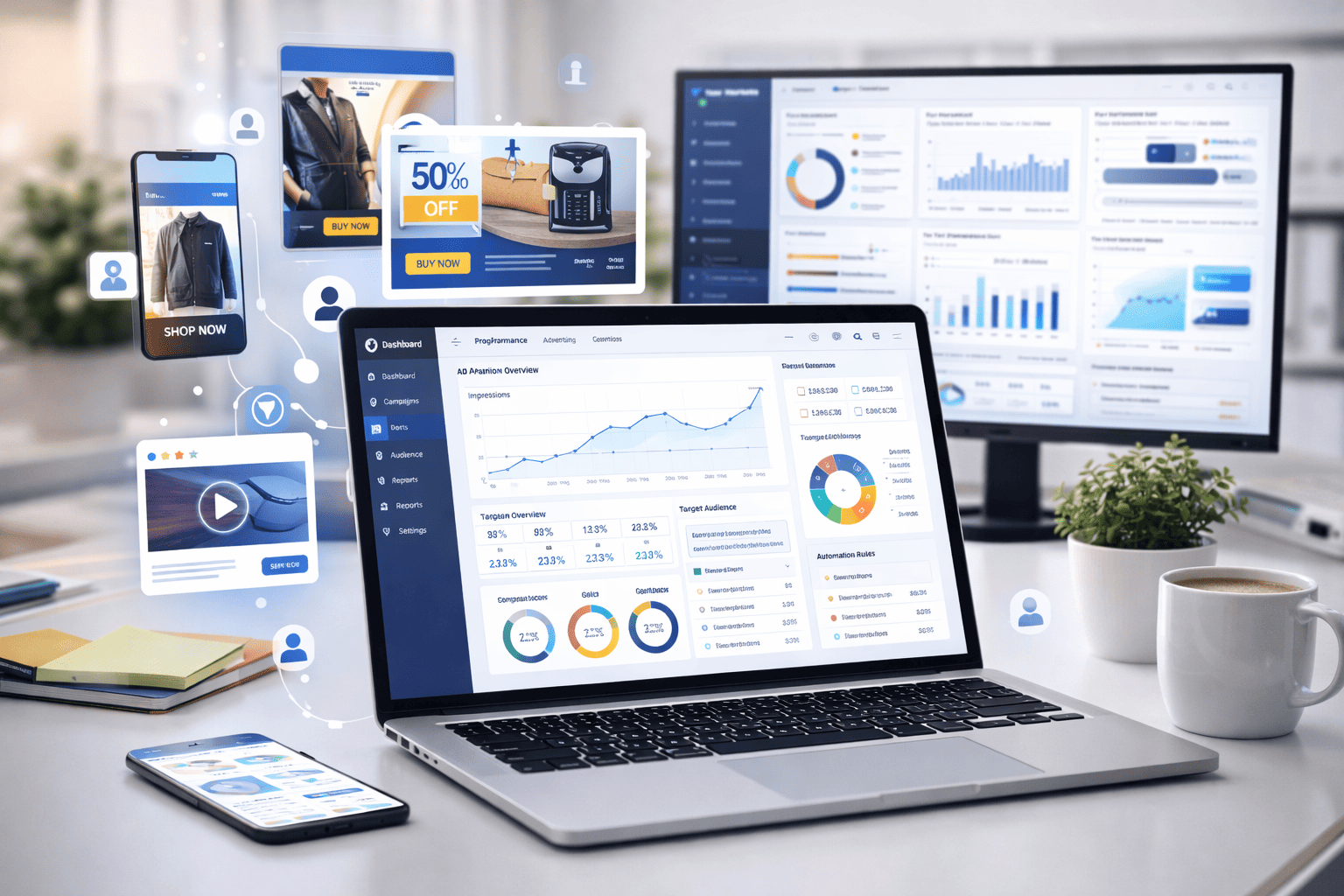
What Programmatic Advertising Actually Does
Programmatic campaigns run across a network of inventory that includes:
- Display ads on websites your audience visits
- Mobile apps and in-app placements
- Connected TV and streaming platforms
- Native ad placements within content feeds
The targeting is based on behavior, intent, demographics, and location. That means your ads are shown to people based on what they do online, not just what they search for.
Where It Fits in Your Marketing Mix
Programmatic works best alongside other channels.
Search campaigns capture demand when someone is actively looking. If you're running paid search, this ties directly into your PPC campaigns.
Programmatic keeps your brand visible before and after that search happens. It helps you stay in front of potential customers during the research phase and brings them back after they visit your site.
⚡ Website Performance Matters
It also supports your website performance. If your site isn't built to convert traffic, you'll lose the benefit of the impressions you're paying for. That's where your website design and development comes into play.
Core Targeting Capabilities
The strength of programmatic advertising is in how precisely you can define your audience. Common targeting options include:
Retargeting Keeps You in the Consideration Set
Most people don't convert on the first visit.
Programmatic retargeting allows you to stay in front of those visitors after they leave your site. Your ads follow them across other websites and apps, keeping your brand top of mind.
This is often where conversion rates improve. Someone who already knows your business is far more likely to come back and take action.
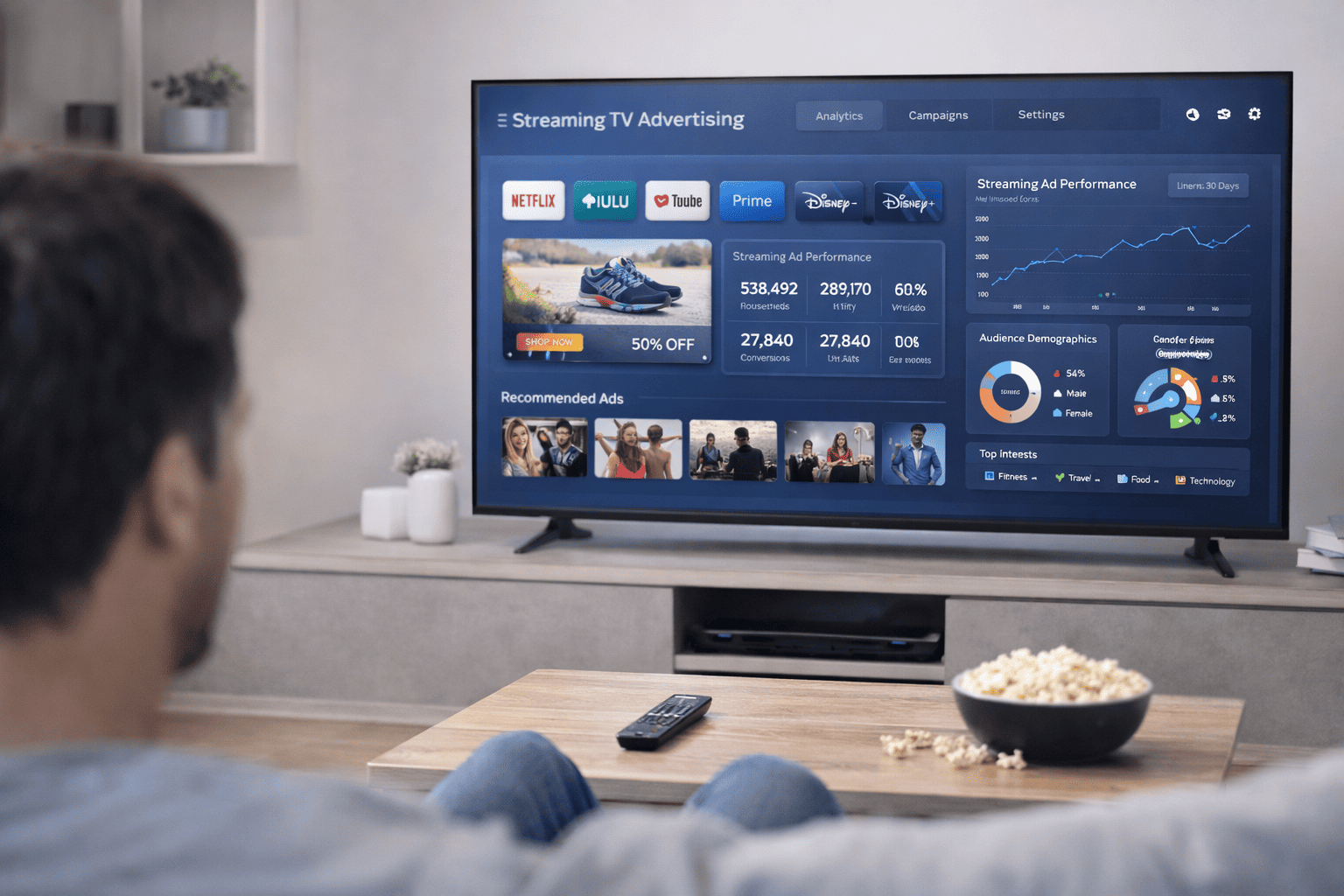
Connected TV and Streaming Ads
Streaming platforms have created new opportunities to reach audiences who are no longer watching traditional TV.
Programmatic advertising lets you place ads on connected TV platforms where targeting is based on household data, viewing behavior, and demographics.
This gives you the reach of television with far more control over who actually sees your message.
Measurement and Performance
Programmatic campaigns provide detailed reporting on impressions, clicks, conversions, and audience engagement.
More importantly, you can see how different audiences respond and adjust campaigns in real time.
Over time, this improves efficiency. Budget shifts toward the audiences and placements that produce results.
Common Mistakes to Avoid
Programmatic works best when targeting, messaging, and website experience are aligned.

Frequently Asked Questions
What is Programmatic Advertising?
It's automated ad buying that uses data to place ads in front of specific audiences across websites, apps, and streaming platforms.
What is Site Retargeting?
Site retargeting shows ads to people who have already visited your website. Once someone lands on your site, they are added to an audience pool, and your ads follow them across other websites and apps. This keeps your brand visible and increases the likelihood they return and convert.
What is Audience Retargeting?
Audience retargeting targets users based on their behavior, interests, and online activity, even if they haven't visited your website yet. It uses third-party data to identify people who match your ideal customer profile and serves ads to them across multiple platforms.
What is Mobile Geo-Fencing?
Mobile geo-fencing targets users based on their real-world location. A virtual boundary is set around a specific area, such as a competitor's location, an event venue, or a neighborhood. When someone enters that area with their mobile device, they can later be served ads based on that visit.
What is Addressable Geo-Fencing?
Addressable geo-fencing takes location targeting further by focusing on specific households or addresses. Ads are delivered to devices associated with those addresses, allowing for highly targeted campaigns, especially useful for local services or direct response campaigns.
What is Connected TV?
Connected TV (CTV) refers to ads served on streaming platforms viewed on smart TVs or devices like Roku, Apple TV, or Amazon Fire Stick. These ads combine the visual impact of traditional TV with the targeting precision of digital advertising.
What is Zip-Targeted TV?
Zip-targeted TV allows you to deliver TV-style ads to households within specific ZIP codes. This gives you the ability to focus your message on a defined geographic area while still reaching viewers through streaming platforms.
How Is Programmatic Different From Google Ads?
Google Ads focuses mainly on search and limited display inventory. Programmatic expands your reach across a much broader network with more advanced audience targeting.
Is Programmatic Advertising Good For Local Businesses?
Yes. Geo-targeting and geo-fencing allow you to focus on very specific areas, including neighborhoods, ZIP codes, or even competitor locations.
What Budget Is Needed To Run Programmatic Campaigns?
Budgets vary, but most effective campaigns require enough spend to generate meaningful data. Smaller budgets can work if targeting is tightly defined.
How Does Retargeting Work?
When someone visits your website, they are added to an audience pool. Your ads are then shown to them as they browse other sites, increasing the chance they return.
Does Programmatic Advertising Generate Leads Or Just Awareness?
It can do both. With the right targeting and landing pages, programmatic campaigns can drive measurable leads, not just impressions.
Talk Through Your Options
Programmatic advertising works when it’s part of a coordinated strategy that includes search, content, and a website built to convert.
Call (888) 388-8030 to discuss how programmatic fits into your current marketing and where it can improve results.