SEO for Retail
drive real growth
SEO helps your retail store show up when people search for products you carry, both locally and online. Focus on optimized product and category pages, a strong Google Business Profile, consistent reviews, and a fast, mobile-friendly website. Add helpful content that answers buying questions and connect everything with clear internal links. Done right, SEO brings in steady traffic and reduces reliance on paid ads and marketplaces.
- Optimized product & category pages
- Google Business Profile mastery
- Consistent reviews & local signals
- Fast, mobile-first retail experience
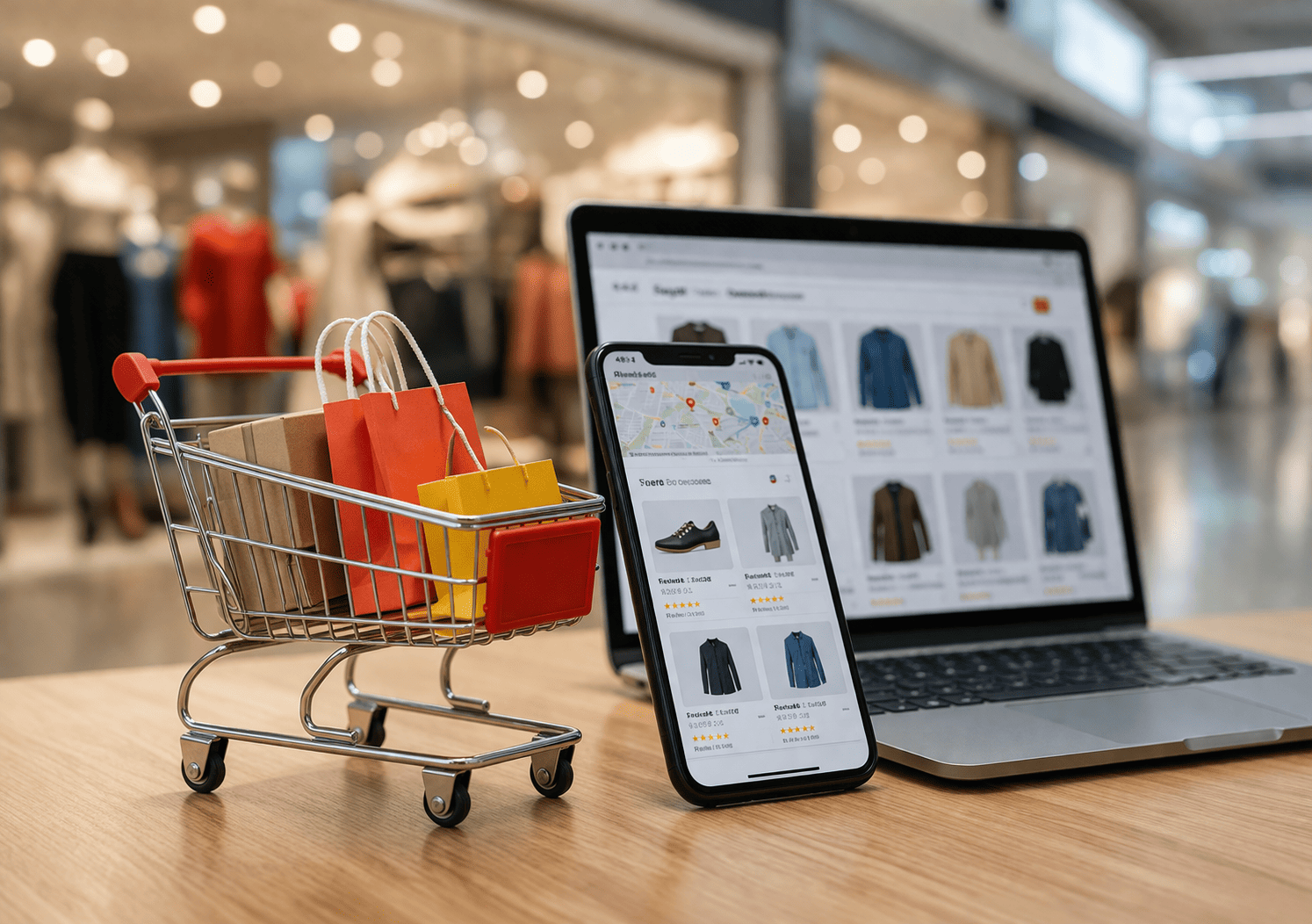
Why SEO Matters for Retail Businesses
Retail search behavior has changed. Customers don't just walk into stores anymore. They search first, compare options, check reviews, and often decide where to buy before they ever leave home.
Searches like "running shoes near me," "bike shop in Phoenix," or "best gifts for hikers" happen every day. If your store isn't visible in those moments, your competitors get the sale.
real-time search insights
Optimize Product and Category Pages
Your product and category pages do most of the work. Each page should clearly describe what you sell using the same language your customers use. Avoid vague descriptions and manufacturer copy. Write your own product details with specifics about features, use cases, and who the product is for.
This structure helps search engines understand your inventory and improves your chances of ranking for relevant searches.

Local SEO Drives In-Store Traffic
If you have a physical location, local SEO is critical. Your Google Business Profile should be fully built out and kept current:
- Accurate hours, address, and phone number
- Updated photos of your store and products
- Clear product categories and descriptions
- Ongoing customer reviews
Your Website Needs to Be Fast and Easy to Use
Retail traffic is often mobile. Someone might be searching while standing in another store or walking through a shopping center.
If your site is slow or hard to navigate, they leave.
A strong site structure also supports SEO performance. This is where your website design and development plays a role.
Use Content to Capture Early Buyers
Not every shopper is ready to buy immediately. Many are researching. Content helps you show up earlier in the process. Examples include:
- “How to choose the right mountain bike for Arizona trails”
- “Best gift ideas for outdoor enthusiasts”
- “What to look for in running shoes for desert conditions”
Internal Linking Connects Everything
Your content, product pages, and categories should link together naturally.
A buying guide should link to relevant products. Product pages should link to related categories. This keeps visitors engaged and helps search engines understand your site structure.
Frequently Asked Questions
How long does SEO take for retail websites?
You may see early improvements in a few weeks, but consistent results typically build over 3 to 6 months as content and optimization expand.
What keywords should retail stores target?
Focus on product-specific and location-based searches, such as “bike shop in Phoenix” or “trail running shoes near me.”
Do I need content if I already have product pages?
Yes. Content helps you capture earlier searches and supports your product pages through internal linking.
How important are reviews for retail SEO?
Very important. Reviews affect both rankings and customer trust, especially for local searches.
Does mobile optimization matter for retail?
Yes. A large portion of retail searches happen on mobile devices. A poor mobile experience leads to lost sales.
Should I invest in SEO or paid ads?
Both have value. SEO builds long-term traffic, while paid ads provide immediate visibility. Many retailers use both together. Learn more about paid strategies here:
Ready to Bring More Shoppers to Your Store?
Nvent Marketing helps retail businesses improve visibility, attract qualified traffic, and turn searches into in-store visits and online sales.
Call (888) 388-8030 to talk through your current setup and where SEO can start driving better results.